I’m Baaack!

I haven’t posted on my blog for a long, long time, because…well…life. After this summer of working in Alaska and telling my stories to the guests on the tours I led, several of them asked if I had a website to record all my tales and travels. To be honest, I couldn’t even remember how to get to my blog. I started posting again while the pandemic had us confined at home, but then my husband’s health took a dramatic turn for the worse and nothing else in my life was important enough to demand my attention. After nearly three years of declining health, we lost him last winter.

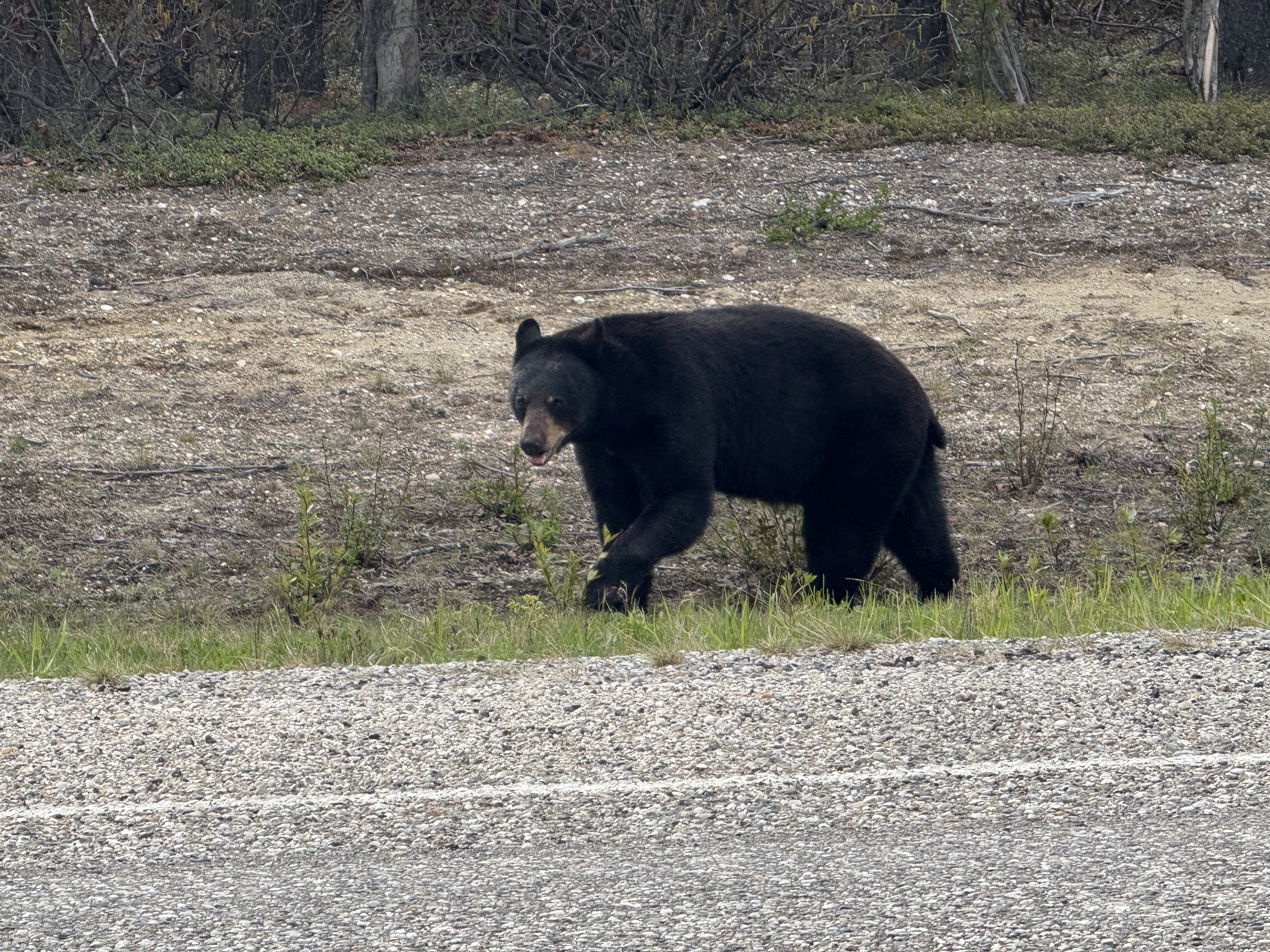
My therapy through the last several months has been to immerse myself in work. It’s hard to be sad when you have a group of travelers excited about being in Alaska and laughing at your stories. And…whales. And puffins. And bears. I still have my moments-I probably always will. But the best thing I can do is to get back to doing what I love while working on remembering all the joy we shared.

I have some Alaska stuff to post-this was an exciting summer. And I’m embarking on a solo trip “down under” next month, first to visit a friend from Alaska and to attend her wedding in Australia. And since I’m flying 15 hours to get there, well, New Zealand of course. I imagine there will be a lot to talk about. This is a a daunting trip: six flights, five train trips, two rental cars, and a ferry. And while I’ve done a lot of solo travel thanks to a career in sales, this is the first time my cheerleader won’t be at home supporting me. I’m either adventurous or nuts. We’ll see.

On Coming Home Again

As I was digging into reviving my blog I found this piece I wrote but never posted. It was abandoned after one of my husband’s many trips to the hospital, and I simply stopped thinking about my blog. But in reading it, I decided it was worth posting, even if it’s a couple of years old. I’m going to backdate it, but I’m actually putting it up here in 2023. So here we go.

We recently received an invitation to our high school reunion, and one item in the itinerary seemed to define what it was like growing up in a small town: “Street Dance at the Stoplight.”

No, The Stoplight isn’t the name of a venue. It’s THE stoplight. The only one in town. The one they installed in the 50’s, welcoming it with a town celebration and a hula hoop contest. The light still hangs there, at the corner of Central Avenue and Main Street, also known as Highway 2. That’s the one that will hold you in this small town, although temporarily, if you are headed to Glacier National Park from Interstate 15.

I didn’t actually graduate in Cut Bank, but I was born there, and went to school there when I wasn’t in Alaska. I’ve been invited to all the reunions because of our shared childhoods. Probably the most important one was in 1986, when an all-decade reunion was held (you need enough graduates to make it a real party in a small town.) I flew there from New York City, met my junior-high boyfriend, and promptly married him and high-tailed it out of New York.

Having lived in a variety of places from an Alaska village to New York City, I can confidently say I’m glad I grew up in a small town. There are experiences you can’t have in a city, even one of moderate size. We could wander anywhere in town. If we made trouble our families heard about it. My mother came home from work one day and wanted to know why I was limping. Since I was sitting down, I couldn’t figure out how she knew. It seems someone saw me walking home and called her to ask about me. We had been swimming at the river and I stepped on a piece of glass. I didn’t want to say anything because I was afraid I’d have to have stitches. I got stitches.

Sleeping in the yard with friends was a summer tradition. I vividly remember staring up and seeing the Milky Way stretching across sky, discussing with my friends what we thought might be out there. Sometimes we would meet up with the boys, who were “sleeping” in one of their yards, and together we would raid gardens. Nothing quite as wonderful as a filched tomato right from the vine. I haven’t seen the Milky Way in decades. I miss it.

I remember standing at the edge of town and seeing the wheat fields, planted and fallow, stretching for as far as I could see, and aching to go. Anywhere. Just not there, in that little town. Today I look back and realize just how lucky I was to have grown up there. Yes, everyone knows your business. People knew the story of my background, the sordid and the sublime, long before I ever had an inkling of it. But that small world gave me friends, independence, little adventures, and a safe way to learn about the world. To borrow a line from Stephen King: “I never had any friends later on like the ones I had when I was twelve.”

The Value of Travel

Why spend all that money when you can see it all on a screen?

An article about travel in Alaska caught my eye yesterday, so of course I had to read it. I wanted to see how accurate it was, and to be transported to one of my favorite places in the world.

In reading some of the comments at the end, I came across one that said he had seen Alaska in a documentary on TV so he didn’t need to spend the money to go there. It brought to mind the old truism: “You get what you pay for.”

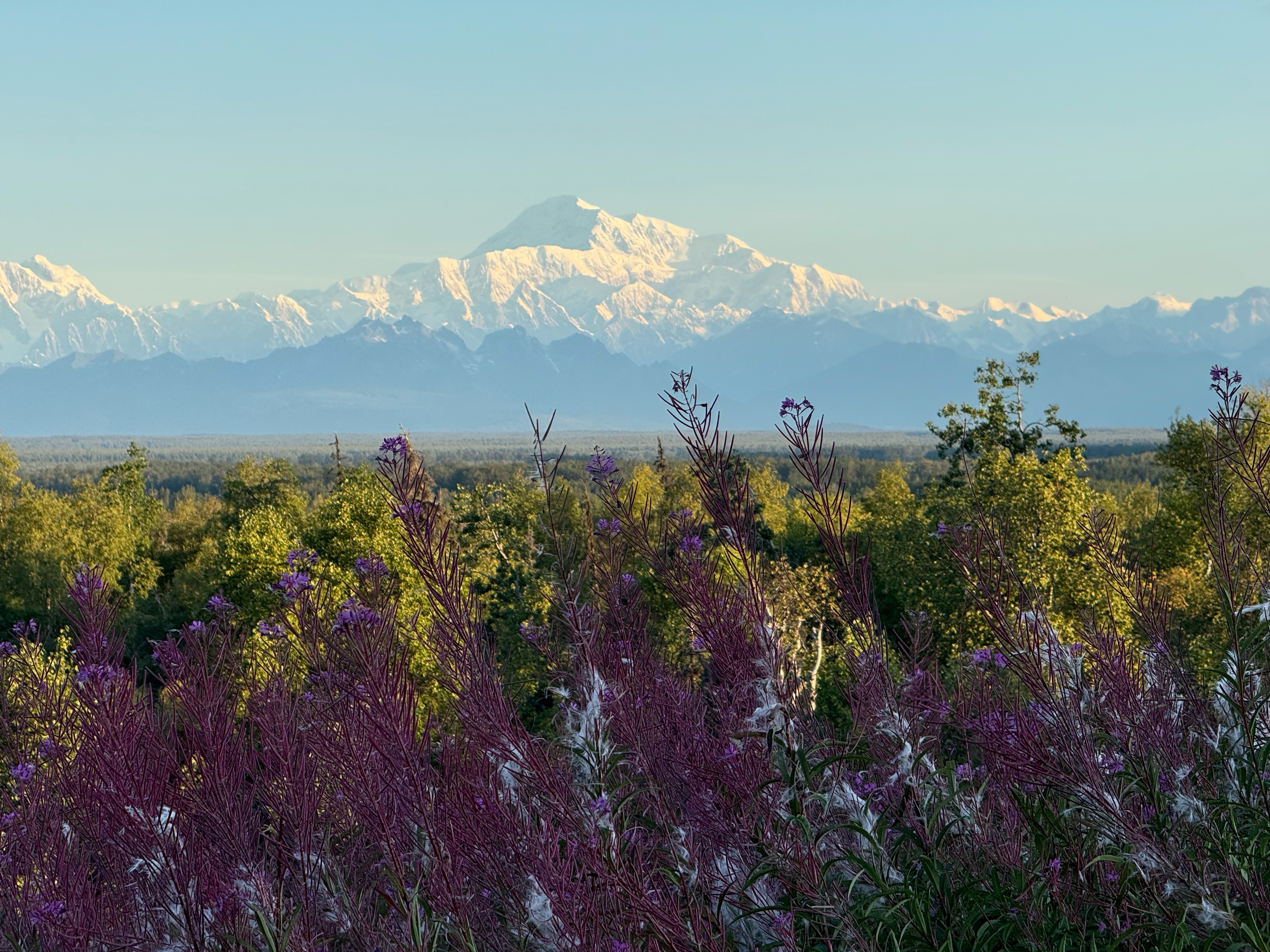
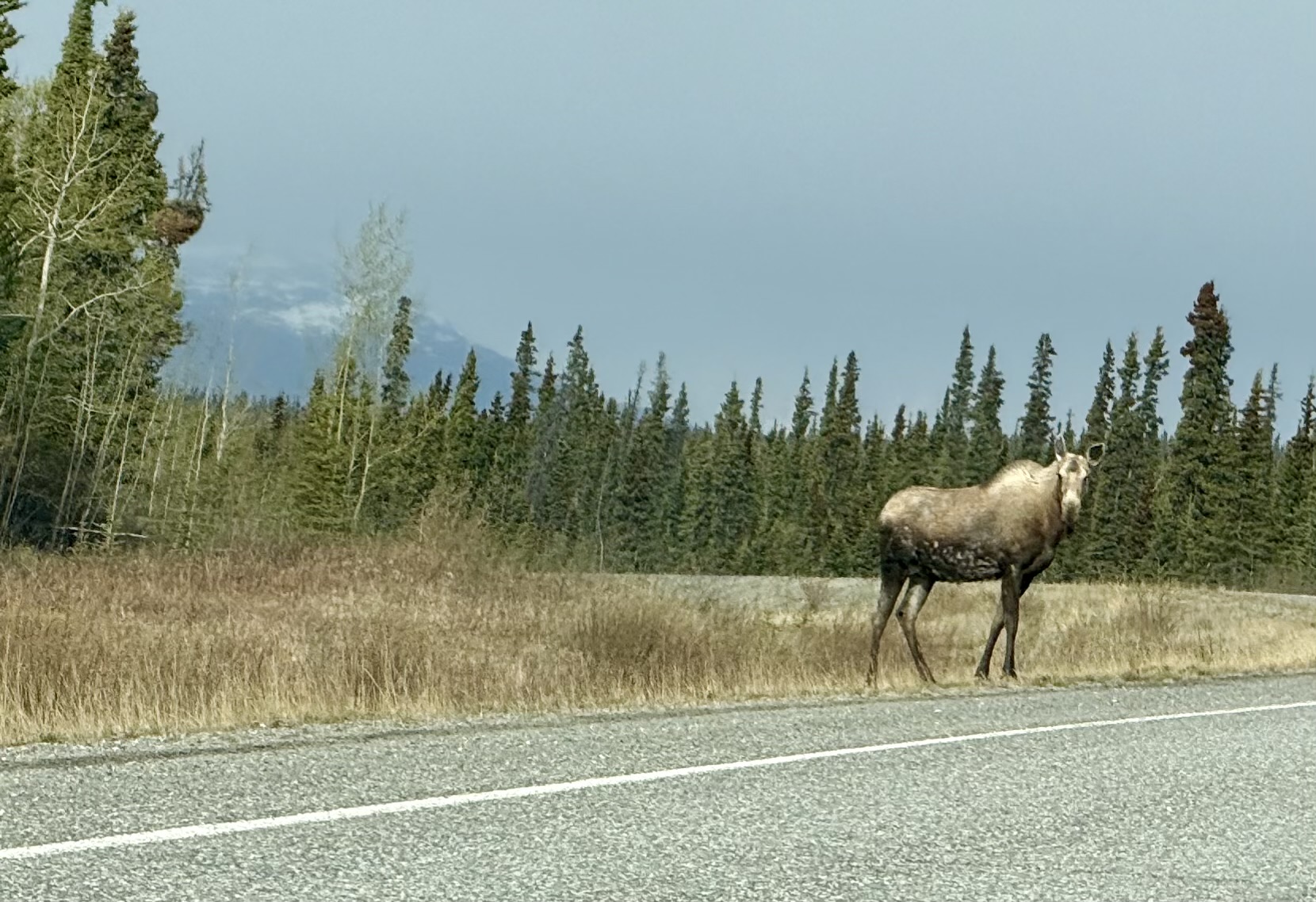
Anyone who has been to Alaska can verify that it’s impossible to get the feeling of vastness, majesty, beauty, and the wilderness unless you experience it firsthand. When you see Denali on a clear day there is a feeling of awe. When you watch a grizzly gorging on berries and ignoring the bus full of people just a few yards away, it’s exciting. If you have to stop in the middle of a city freeway to allow a moose to wander across, there’s delight.

So many events I’ve experienced in my travels can only happen when you are really there.

In Chile I went to a penguin nesting island and was told to stay on the path and not attempt to touch the penguins. Of course, no one told the penguins the rules, and one of them came up and started chewing on my shoelaces.

During a whale watching expedition in Maui a Humpback came to our raft and surfaced just inches from the side, so close I could have touched it (I didn’t.)

In Abu Dhabi, I watched the sun go down, reflecting off the buildings and the water, and heard the call to prayer reflecting across the quieting city.

In Rome, I walked a street used by merchants and shoppers two thousand years before the birth of Christ.

In Montreux, Switzerland, I explored a castle that has stood for a thousand years.

Then we walked into town and came across a statue that looked just like Freddie Mercury (it was him-it turns out he lived there.)

In Dubai, a trip to the spice souk (market) was a joy of sensory overload. The colors of the spices, the lovely smells, the noise of the merchants and buyers, all combined to create an indelible memory.

The most memorable part of my travels, however, is the people I’ve met. People all over the world are, for the most part, kind and welcoming and interesting and funny. Of course the tour guides are like that, but I also like to connect with the people I come across in my travels.

The nice gent at a local craft fair in the Outer Hebrides islands of Scotland, who was selling Harris tweed. He explained that he and his daughter did the weaving themselves, and gave me a lesson in the history of the cloth.

The young man at a market in Peru who was selling watercolors, and shyly told me that he was going to school to be an artist, and that the watercolors were his work.

The waiter in a restaurant in Rome who told us he had lived in Queens in New York, which was why his English was so good. He said his job at the restaurant was to get us drunk. He was good at his job.

The priest I met on a water taxi in Venice who was assigned to work on a refugee plan in Syria. He told me about the country and the people, and how highly he regarded them.

Getting out of your own locale, being open to new places and experiences, connecting with other humans; those are the events that bring us closer and help make the world a better place. Not everyone we meet can speak our language, but they have families, people they love, dreams for the future, and the ability to laugh. And I have always been able to communicate with a person in some way, regardless of their language.

Go. It’s worth it.

A Day of Darkness

What happens when a volcano blows its top?

As a child, sometimes it takes a little while for logic to kick in. I was outside one July morning in Anchorage, playing with the boy who lived in the apartment above us. We were absorbed in building a road with his Tonka trucks, when he looked up and said, “I have to go in now. It’s getting dark out and I have to go in when it gets dark.” I was annoyed at having our construction project cut short, but started to pick up our toys when it struck me. “Wait a minute! How can it be dark? We haven’t even had lunch yet.”

I went inside and told my mother it was getting dark out, and she immediately rushed out to take the laundry off the clothesline, thinking it was going to rain. Instead, she saw fine gray ash falling from the sky. She turned on the radio, and we learned that Mt. Spurr had erupted.

Alaska is a land of extremes. It’s big, it’s cold, it has gigantic mountains and vast tundra, nearly constant earthquakes (most too slight to feel)… and volcanoes. Part of the Pacific Ring of Fire, Alaska has more than 130 volcanoes, 50 of which have been active in the past 250 years. In fact, there have been more than 240 confirmed eruptions in that time. There have been several eruptions in recent memory that impacted Alaska, but this is the one I experienced.

The first thing my mother did was run back out to take the clothes off the line. The radio announcer was telling listeners that the ash would bleach the color out of wet laundry. More on that later.

Before long it was so dark outside that it was hard to see, despite the street lights having come on automatically. Most businesses closed, and my Dad came home telling us that it was getting dangerous to drive on the street, because you couldn’t see anything.

What I remember most was peeking out the door and seeing that fine ash, almost like talcum powder, falling from the dark sky, and the absolute silence. Nothing was moving, and whatever noise there might have been was muffled by the falling ash.

Anchorage ended up being covered with a quarter inch of ash, while some other areas of Alaska received several inches. Because it was so fine, it filtered everywhere. Everyone was commenting on how hard it was to find and banish the ash from cracks and crevices.

My mother complained longer than anyone, I think, and it was my fault. You see, when you’re seven years old in a town like Anchorage of the 1950s, you can find all sorts of interesting places to play. For instance, the construction yard down the street where they tossed the old tires from big heavy equipment. Those huge tires were a great place to crawl around and hide in. And after the volcano, the tire wells were filled with that powdery gray ash. I loved getting in there and touching the ash; it was so soft and pretty.

Now, we weren’t supposed to be playing in the construction yard, so our parents couldn’t figure out where all the ash was coming from. For weeks I would come home covered with ash, and of course, when my mother washed my clothes the chemicals in the ash would bleach them. I happily wore my clothes with all the little white spots on them, and never did tell my mother where we were finding the ash. To this day I can still remember the wonderful feel of that soft gray powder.

Sometimes a disaster in one way can be a boon in another way. You just have to figure out what to do with the ashes.

My First International Trip

It’s never too late to start learning about the world.

International travel came late to me. Sure, I had been to Canada and Mexico, but I hardly considered that “international travel.” After all, I was born only 25 miles from Canada, and we considered them neighbors. Of course, driving to Alaska entailed more miles within Canada than in US territory. And living in San Diego meant Mexico was just a quick jog south. I did have a passport, but only because I needed one to fly into Vancouver to start an Alaska cruise.

That all changed ten years ago when, at the tender age of 65, I embarked on a new career as a seasonal employee in Alaska. Suddenly instead of being surrounded by career-minded professionals, I was working with retirees, college students, and international students. There was also a whole new group to me; I’ll call them The Wanderers. They were a whole cadre of seasonal workers who went from one seasonal job to the next. Alaska in the summer, Florida or ski resorts or Antarctica in the winter. In between, they traveled. Sitting in the EDR (Employee Dining Room), I would hear their stories of Europe, Australia, Southeast Asia, Central America-they all had wanderlust. Some were more passionate than others, but they all had a suitcase ready to go.

Halfway though my first season, my friend Diane (a dedicated Wanderer) sat across from me in the EDR one evening and said she found a condo in Switzerland for $300 for the week, and would I like to go? Before I even stopped to consider it, I was in! The rest of the season was spent making plans for the places we wanted to see and how to get around. We would meet at the train station in Geneva; Diane was coming from Paris, and I was coming from the Geneva airport.

Back at home, I packed my bags and made all the arrangements, and finally it was time to go. As my hubby drove me to the airport I got a case of the heebie jeebies. “I’m going to a foreign country alone. I only speak English. I’ve never been to Europe. What if I can’t find Diane? What if I get lost? Yada yada yada.” Dear husband assured me I would do fine, and it would be an adventure to remember.

Arriving in Geneva early in the morning, I went through customs and was terrified that I wouldn’t be able to understand the customs officer. But he spoke English. “Where will you be staying, madame?” I nervously pulled out the hotel confirmation and hesitantly told him I’d be going to the ski resort city of “lay-SIN”. He smiled and shook his head ruefully, and said, “Ah, LAYson” in his wonderful accent that made me wish I had taken French in high school. Stamp! And off to downtown Geneva to explore until time to meet Diane at the train station.

According to my friend Diane, you are never lost if you are with someone. You are just exploring new places.

The train station had a place to store my bag (only one-orders from Diane), and I grabbed my camera to go exploring. I was so enchanted with the city that I didn’t have time to be nervous! Until it got near to the time to meet Diane. What if she missed the train? What if it’s late? What if I can’t find her? But at the appointed time, there she was, there we were, and there we went.

The first revelation to me was that language wasn’t really a problem. Nearly everyone spoke English, which embarrassed me for not being able to speak a word of another language. There were times when it was a challenge. The policeman we asked to tell us where the head of the trail down the mountain to Aigle started. He spoke very little English, but we did get his warning about “No go. Rocks. Very bad.” We went anyway, and I had the bruises afterward to prove it. And the woman selling cheese at a village Christmas market. She called another vendor over to explain that she made the cheese herself from her cows, and provided instructions on how to use it for fondue. And the restaurant we loved (and went back to, because it was wonderful) where our server carried on a fun conversation with us, then went to tend her other customers in German, French, and Italian.

We went to a castle that was a thousand years old, and a town that was about the same age. We wandered through cities where stores like Benetton showed their wares in the windows of buildings that were hundreds of years old. They don’t tear down their old buildings to build malls that will stand empty in 30 years. They just refurbish and repurpose them.

I learned a lot from that trip. First, according to Diane, you are never lost if you are with someone. You are just exploring. Second, people everywhere are kind, interesting, and willing to help if you are polite and treat them well. Oh, and the trains in Switzerland ALWAYS run on time. So don’t be late.

Good Friday Earthquake, Part 3

Random Tales from the Earthquake

The woman who led our volunteer organization for servicemen was driving in downtown Anchorage. When the shaking started she pulled to the curb and stayed in the car. There was a man on the sidewalk next to her holding on to a pole with a sign stating “No Stopping or Standing”. After it was over they all just stared in shock, looking at each other. Then he looked up at the sign and said, “Well, I wasn’t really standing, you know.”

A local Anchorage store put a sign on their door that said, “Closed due to a shakeup in management.”

My mother had a friend who was a bartender in one of the bars that was part of the area downtown that sank 20 feet or so. He said there was a patron sitting at the bar who never moved from his barstool through the whole quake. After it was over, he proudly held up his glass and said, “I didn’t spill a drop!”

I was senior at West Anchorage High School, and the second floor of the school collapsed during the quake. We finished the year doing split shifts at East High. However, our graduation announcements, ordered months before, still held a drawing of the school. I sent them out to family and friends with a note telling everyone it was just the latest “Earthquake Joke.” West High is still there, but it’s only one story now. Although the main stairway still exists; it just doesn’t go anywhere.

Our senior prom was delayed, and we ended up having it at Ft. Richardson a week or two later than planned. And graduation, instead of taking place in the West High auditorium, was held in an airplane hanger on Elmendorf Air Force Base. It was an experience to remember!

While greatly damaged, Anchorage was by no means the hardest hit. Valdez was completely destroyed, with a large part of the town sinking into the sea. The town was relocated four miles away, where today it is the terminus of the Alaska Pipeline. Seward was also hard hit, first by a tsunami, and then fires from damaged fuel storage tanks near the docks. It was cut off for several days, since the Seward Highway and the railroad were impassible. Seward is situated on Resurrection Bay, wedged between the sea and the mountains, with only the one way in and out.

I got a first-hand report from a schoolmate, who had gone to Seward for the Easter break to stay with her mother, who worked there. She told me that after the shaking stopped she started to run to where her mother worked, but she was stopped by a man who told her they needed to go up the mountain. He pointed to the sea, which had emptied out a good portion of the bay. He knew what she didn’t: that a tidal wave was coming. Seward got not just one wave, but several. They ended up spending the night on the side of the mountain, along with many others. It was cold, so he gave her his jacket. When she told me her story, she said she never found out who the man was, but she still had his jacket. Oh, and her Mom was OK. She was also on the mountain, but in a different area.

Good Friday Earthquake Part 2

In the aftermath of the earthquake, the people of Alaska started taking stock and figuring out what to do next. A house blew up due to a gas leak, so we were told to move out until the utility could get to each home to check for leaks. I couch surfed for the next couple of weeks at a friend’s house, while my mother decamped to another friend. I headed to the YMCA to volunteer and was immediately put to work as a gofer.

The day after the earthquake, the military came to our neighborhood with a water truck and we all lined up for fresh water. My mother owned a restaurant so we weren’t short of food, but I did end up standing in line at the grocery store the following Friday (I think it was Piggly Wiggly) for canned goods. They were letting a few people at a time go in to buy limited amounts. I could peek through the doorway and see that shoppers were navigating through aisles with groceries still scattered here and there. They were selecting goods from the floor as well as the shelves. My interest in canned goods ended when we had a strong aftershock and I decided there was no way I was going into that building.

Also during that week I stood in line for hours waiting to call my grandparents to assure them that we were OK. Again, the military had set up a telephone bank so we could contact our families. One call per family.

For weeks after, I would wake in the middle of the night, knowing another shock was on the way. I would hear it coming, like a train approaching, and then the closet doors would start to shake. Everything would rumble, then I would hear it receding. Years later I told my geology professor the story of my experiences, and he was thrilled that I was the first person he had heard first hand describe the first set of waves (alpha waves move faster but are smoother) that precede an earthquake. That was why so many of us would wake in the night just BEFORE an aftershock started. Also why animals and birds seemed to anticipate an earthquake and start barking or take flight.

Alaska’s Good Friday Earthquake

One of the most significant events in my life was the Good Friday Earthquake, and I have a bunch of stories about it. To start, I’ll just describe what happened that day from my point of view. Later on I’ll do some blogs about other stories and facts about the earthquake. 

On March 27, 1964, a 9.3 earthquake hit Alaska at about 5:35 in the evening. If you’re not familiar with what that 9.3 means, it was the largest earthquake ever to hit North America. If you remember the earthquake that brought the World Series to a halt in San Francisco in 1989, that one lasted 15 seconds and was magnitude 6.9. The Alaska quake lasted FIVE MINUTES, and at 9.3 was 250 times stronger. It was so strong that it caused a measurable surge in the ocean in Australia!

For us, the earthquake started slow. I was a high school senior, at home in an Anchorage suburb, and in the process of giving a home permanent to a young girl who was staying with us at the time. We were at the kitchen table and I saw the hanging lamp over the table start to sway. As always, I said “We’re having an earthquake” and as always, my mother said “Nah.” Earthquakes were no big deal in Alaska and we had experienced many. They really weren’t much more than conversation fodder. I was just pointing out the light swaying when everything went WHAM! 

I moved to the kitchen counter, trying to hold the cabinets closed so I could save my mother’s china. I looked through the pass-through into the living room and saw our little dog narrowly miss getting crushed by our big console TV. She ended up cowering under the coffee table. At the same time everything was flying off the counters. There was sugar, butter, coffee, and everything else hitting the floor. When the coffee pot fell on my foot my mother shouted to me to let it all go and get out of the house. As soon as I stopped holding the cabinet doors every piece of china hit the floor.

At some point my mother said she thought it was the end of the world, because it was dusk on Good Friday. This from a woman who hadn’t been to church in thirty years.

About that time my old boyfriend stumbled through the door-what rotten timing! He had a shocked look on his face, and even more so when my mother ran to him (she never liked him). We all just held on until the shaking stopped, and then I started moving through the house trying to put things to right. It was clear that the movement had been mostly in one direction, because items on the North and South walls were thrown to the floor while the other walls were fairly stable. 

My first order of business was to take the water out of the toilet tank to rinse the permanent solution out of our young guest’s hair. Even that was a challenge, because the stacked washer and dryer in the bathroom had walked out from the wall to block the door. I ended up going outside and crawling in the bathroom window so I could push them back to the wall. Then I turned on our radio that received short wave broadcasts. When we heard calls for assistance in the Turnagain subdivision, my friend and I decided to drive out to see if we could help.  As we drove out we saw a lot of damage like broken windows in some businesses, but I don’t think the full impact of the disaster had really hit us yet. We knew it was big, but didn’t yet appreciate how big.

When we got to Turnagain my friend said he said he was lost and stopped near a group of people standing on the cliff overlooking the inlet. We walked over to talk to them and realized the reason he was lost was because most of the neighborhood was gone.  To my young eyes it looked like utter devastation. As far as I could see there were broken houses, and all I could think of was how many people might be trapped there, where we couldn’t get to them.

My friend was an announcer at a local radio station, so we decided to go help them get back on the air. When we arrived at the station, we had to help dig the announcer out, because there was a long hallway leading to the broadcast booth and it was blocked with tapes and records that had been on shelves lining the hall. The announcer was fine but he couldn’t get the door open!

We returned to my house, driving past my high school, and that was the first time I realized that the second floor had collapsed.  I was only two months from graduation and my school was gone! We got warm clothing and blankets for everyone. We had no electricity or water, but the radio station gave instructions on how to make snow safe to drink. We treated a little snow to get us through the night.  We tucked our young guest into bed, and my mom retreated to her bedroom with extra blankets and bottle of Dewars. To the end of her life she claimed that was the best antidote for cold. My friend and I spent the night listening to the radio. I wanted to sleep, but the occasional aftershock had me stressed out and I couldn’t really relax enough to sleep.  We listened to the lists of missing and the tsunami warnings. In time most of the names I recognized on the missing list were found…except for one. He was found under the collapsed front wall of the Penney’s department store.

It was the next day before we fully appreciated the extent of the damage. While Anchorage was hit hard, there were towns and villages that were completely destroyed, and a good part of the map of Alaska was changed. I’ll post more of the story, along with some photos, in the coming days.

Moon Over Ferry

Alaska’s homesteaders are a unique breed unto themselves.

In reviewing the old posts to my blog I came across one where I promised to tell the story of the “Moon Over Ferry” at a later time. 

This is one of my favorite stories to tell, and my coworkers and guests enjoyed hearing it on our tours through interior Alaska. It’s a bit long, so settle back and pretend you’re on a motor coach traveling from Fairbanks to Denali.

We are driving on the Parks Highway, which is one of the few major thoroughfares in Alaska. It connects Anchorage and Fairbanks, and was built in the early 1970s. Before then, the homestead communities in that area depended on the Alaska Railroad for transportation, mail, and freight. The little town of Ferry was one of those. There is a railroad bridge across the Nenana River, and just on the other side was a log cabin that served as the Post Office. The train would come through daily, exchange mail, and deliver boxes and packages. If you look down to the left you can see the river, and spot the occasional rooftop of a homestead in the far-flung community of Ferry.

When the Parks Highway was completed, the residents of Ferry put up mailboxes on the highway and the cabin was turned into a community center. It meant the good folks in Ferry could finally drive to Fairbanks or Anchorage to do their shopping.

Just one problem: the community was on the OTHER side of the river from the highway, and the only way across was the railroad bridge. That didn’t really bother the residents of Ferry, since they are an independent and inventive lot. They built garages on the highway side of the river, and used 4-wheelers to cross the railroad bridge to their homes.

Their use of the railroad bridge eventually came to the attention of the officials of the Alaska Railroad. Concerned for the safety of the community, as well as the risk to their trains, they posted a sign at the bridge that forbade crossing the bridge. 

Never underestimate the inventiveness and persistence of an Alaskan homesteader.

The good citizens of Ferry took down the sign and sent a letter to the officials in Juneau thanking them for the wood and the nails, since they are hard to come by in the bush country.

The railroad came back and bolted a metal sign with the same message.

Another letter from the citizens of Ferry to the officials in Juneau: “Gee, thanks for the bolts and the metal work. We could really use those.”

Finally, the railroad crew erected concrete barriers, preventing any motorized vehicle from accessing the bridge.

Undaunted, the good folks of Ferry decided they needed to send a message to the railroad. So every time the passenger train, loaded with tourists, came through Ferry, everyone in town would gather along the tracks and moon the train. Hence, “Moon Over Ferry.”

The railroad figured they would get tired of this gambit, but what they didn’t count on was the stubbornness of a bunch of homesteaders who could make the time to gather twice a day. And have fun doing it! A month went by, and still they mooned the trains.

Finally, the railroad officials gave in and built an addition to the side of the bridge just wide enough for a four-wheeler to fit. Success!

That’s not really the end of the story, though. The good folks of Ferry enjoyed their gatherings so much, that they decided to keep the tradition (just to remind the Alaska Railroad who was really in charge). On every fourth of July the entire community gathers for a cookout. When the afternoon passenger train comes through, everyone gathers by the tracks and moons the train as all the tourists snap photos of this unique Alaskan tradition. 

This story is true. Mostly.

About My Stories…

Since I decided to start blogging again, I started to think about the stories I plan to tell. So: Pay Attention Please! 

I tell different types of stories. There are stories, memories, and musings. All my stories are based in fact. However, they are created to entertain. When I told stories to my tour guests, I usually ended with the statement: “This story is true. Mostly.” So my stories will be true. Mostly.

When I relate a memory, it is as true as my flawed memory will allow. Have you ever returned to a place that was smaller than you remembered, or come across an old flame who is less enticing than your memories of them? Events end up getting filed into our memories, and then they get dusted with the fairy dust of years and come out again somewhat changed. So forgive me if I report something that might be a bit off.

As far as musings are concerned, those are just the weird crap that pops into my mind. I usually tell those to the mirror as I’m getting ready for the day, but now I’ll put some of them down here.